
The $20 (or whatever the current amount is) sign-up credit via a promo link is one of the main things that gets people to download the app and place that first order.
On the surface it feels like free money for food you were probably going to buy anyway. In practice, a lot of people who chase the credit (and then keep using the app) later say some version of: "I got the $20 off, but I ended up spending way more overall because the fees and the ease of ordering made me lazy."
This is the part the ads and referral links don't really want you to think too hard about.
The Credit Is Real - The Fees Are Also Real
The promo usually does knock the advertised amount off your first qualifying order (assuming you meet the minimum spend and any other rules at the time). That part is not fake.
What a lot of new users don't fully clock until the final checkout screen:
- Delivery fee (can be several dollars, or $0 during certain promos or above a threshold)
- Service fee (often a percentage or fixed amount on top of the food)
- Small-order fee (very common on lower-value carts)
- Any restaurant packaging or other charges
- Optional tip
The credit mostly reduces the food subtotal. It does not usually erase all the fees. This is why a "$20 off" order can still feel surprisingly expensive once you reach the final total.
The Convenience Tax
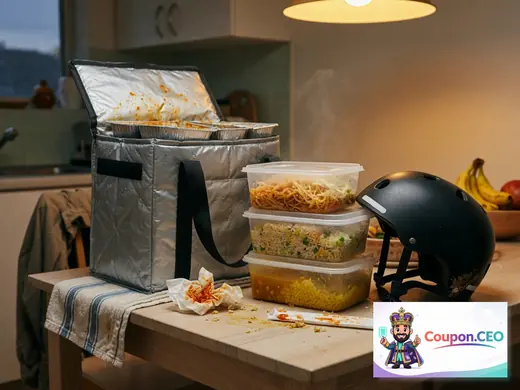
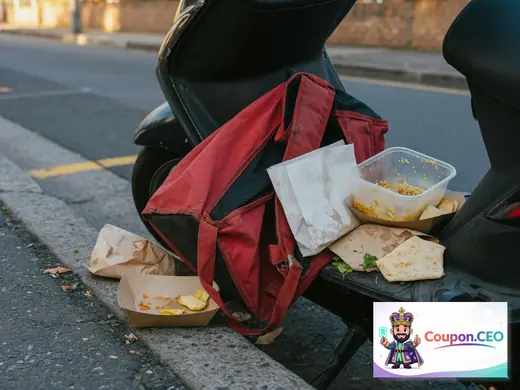
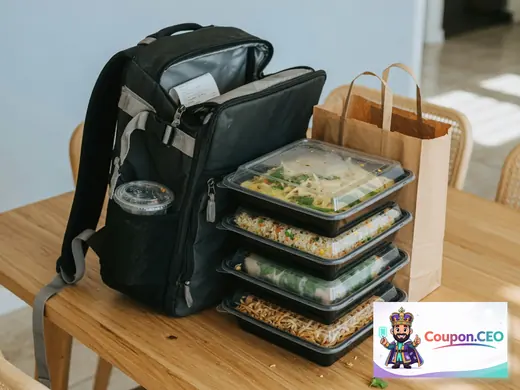
The app is designed to make ordering as frictionless as possible. Browse, tap, pay, food appears. That low friction is exactly why a lot of people end up ordering more often than they would have with normal takeaway or cooking.
Late-night "I'm hungry and can't be bothered" orders. Hungover "I deserve this" orders. "I don't feel like deciding what to cook" orders. Each one individually can feel justifiable, especially if there's a small promo running. Over a month or a year they add up - both in money and in the habit of not cooking or planning.
Many people report that after the initial credit they kept using the app out of convenience, then looked back and realised they'd spent serious money on delivery fees for food that was sometimes only 10-15 minutes away by car.
The "I Was Going to Spend It Anyway" Myth
A common defence is "I would have bought food either way, so the fees are just the cost of convenience."
That's true for some orders. It's less true when the ease of the app makes you order things you wouldn't have bothered with otherwise, or when you start treating delivery as the default instead of the occasional backup. The fees turn what might have been a $15-18 home-cooked or cheap takeaway meal into a $25-35 delivered one, repeatedly.
The Promo Psychology
Sign-up credits and "free delivery" promos are very effective at getting new users through the door. They create a sense of "I'm getting a deal," which can lower your guard about the total cost.
Once the big new-user credit is gone, the app still has smaller targeted promos, free delivery thresholds, and percentage-off deals. These keep some of the "I'm saving money" feeling alive even as the overall spend creeps up.
Who Usually Ends Up Happy vs Regretful
People who tend to feel okay about Uber Eats long-term usually say:
- They live in an area with genuinely good delivery options and reasonable fees
- They only use it on nights they would have spent similar money on takeaway anyway
- They wait for free delivery or strong promos and avoid small orders
- They treat it as an occasional convenience, not a default
People who end up annoyed usually say:
- The fees made even "cheap" orders add up surprisingly fast
- They got into the habit of ordering when they were tired, lazy, or bored rather than genuinely time-poor
- They looked back after a few months and realised how much they'd spent on delivery markups for food they could have picked up themselves or cooked basically
The Bottom Line
The sign-up credit (whatever the current amount is) is a real incentive that gets people to try the service. For occasional genuine convenience in a well-served area, Uber Eats can be fine.
It is also an app that makes spending money on delivery extremely easy, with fees that stack in ways that aren't always obvious until checkout. The "free credit" or "free delivery" framing can mask how much you're actually paying for the convenience over time.
If you're going to sign up because of a current promo, do it. Just go in with eyes open: compare the full final total (including every fee) before you pay, only order from places you know are worth it via delivery, and maybe delete the app for a week or two if you notice the habit forming faster than your bank account would like.
The credit helps with the first order. Everything after that is on you.
Still thinking about ordering? Use the current promo link. Read the entire receipt (not just the big discount number) before you tap pay. And maybe cook something simple instead if the total feels ridiculous. Terms and promos change.
Claim the Uber Eats offer
Disclaimer: Fees, promos, and delivery quality vary by location and time. This is opinion based on user discussions and personal experience, not official Uber information or financial advice. Coupon CEO may earn a commission on qualified sign-ups. Delivery apps make it very easy to spend more than you intended.
FAQ
Is the sign-up credit a scam because of the fees?
No, the credit is usually real on qualifying orders. The controversy is that fees (delivery + service + small order, etc.) often remain, so the "free" or heavily discounted feeling is smaller than the marketing suggests once you reach the final total.
Why do people keep using it if the fees are so annoying?
Convenience, habit, and the occasional strong promo or free delivery threshold. It's easy, and once it's installed the friction to order is very low.
Does waiting for promos actually save money?
Often yes. Ordering only when there's free delivery or a decent percentage off (and only from reliable restaurants) reduces how much you overpay for the convenience.
Is pickup actually worth the hassle?
For many people yes - you skip the delivery fee entirely. The trade-off is you have to go collect it.
Should the fee controversies stop someone from trying the current promo?
Only if you're on a very tight budget or know you have poor impulse control with delivery apps. If you go in with clear rules (e.g. only order above a certain value, only from trusted places, only on actual busy/tired nights), the promo can still be a reasonable way to try the service without full pain on the first order.
Thinking about signing up anyway? Use the current promo link. Read the full breakdown of fees before you pay, and treat it as an occasional tool rather than a default. Terms apply.