

The AUD$500 (or whatever the current amount is) after 100 qualifying trips with code s5w9zi is one of the main things that gets people to actually complete the background checks and vehicle inspection.
On paper it looks like a decent incentive. In practice, a lot of drivers who chased the bonus hard in the first 60 days later say some version of: "I got the $500, but my car took a beating, I was exhausted, and after expenses it didn't feel like it was worth what it cost me."
This is the part the ads and referral links don't really emphasise.
The Bonus Is Real - The Costs Are Also Real
The money does land in your account once you hit the target and it clears review. That part is not a scam.
What a lot of new drivers underestimate:
- How many kilometres 100 trips actually adds to the car (especially if you're doing a mix of long passenger trips and Eats orders with waiting time).
- How much faster tyres, brakes, and general servicing happen when you're driving 8-12 hours on some days.
- The opportunity cost of your evenings and weekends (peak times are when normal people want to be socialising or resting).
- The mental load of being "on" for strangers for hours at a time while also trying to drive safely and game the algorithm.
Some drivers treat the first 100 trips as a short, intense cash grab and then go back to normal hours or stop. Others get the bonus and keep driving at the same pace, then burn out a few months later when the car needs expensive work or they realise their effective hourly rate after expenses is lower than they thought.
The "100 Trips" Maths Most People Don't Do Up Front
100 trips sounds manageable until you factor in:
- Time spent waiting between trips (especially in slower areas or off-peak hours).
- Trips that get cancelled after you've already driven somewhere.
- The fact that not every completed trip necessarily counts toward the bonus (there are usually minimum fare or other rules).
- The physical and mental fatigue of stringing together that many trips in a short window while also trying to keep your rating decent.
A lot of drivers end up working longer and harder than they planned just to make sure they hit the number before the 60-day clock runs out.
The Car Depreciation Nobody Wants to Talk About
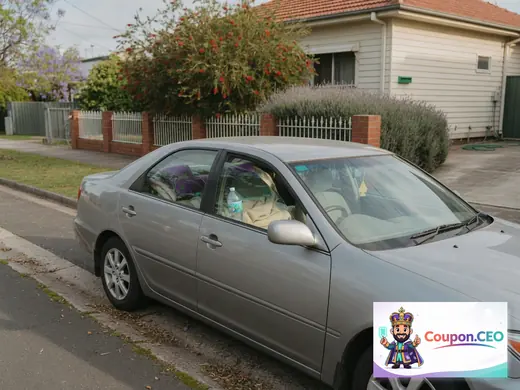
Your car is a depreciating asset. Driving it like a taxi for a couple of months accelerates that depreciation significantly. When the bonus is done, you're left with a car that's worth less, has higher kilometres, and may need work sooner than it otherwise would have.
Some people have an older, cheap-to-run car they're happy to hammer. Others use a newer or more expensive car and later regret the extra wear.
The "Easy Money" Myth
The marketing around driver bonuses often makes it sound like relatively passive or easy income once you're approved. In reality it's gig work with all the usual downsides: no guaranteed hours, variable demand, difficult customers, and you carry most of the costs (fuel, maintenance, insurance risk, phone, cleaning, etc.).
The $500 (or current bonus) can be a useful lump sum if you need it and you go in with eyes open. It is not "easy money" and it is not free money - you earn it by doing 100 trips that cost you time and vehicle life.
Who Usually Ends Up Happy vs Regretful
Drivers who tend to feel okay about the bonus period usually say:
- They had a suitable, cheap-to-run car they were already okay with using heavily.
- They treated it as short-term intense work with a clear end date.
- They tracked their actual net earnings after fuel and didn't over-romanticise the gross numbers.
Drivers who end up bitter usually say:
- They used a car they cared about or that wasn't ideal for high use.
- They worked themselves into the ground to hit the target and then felt wrecked afterwards.
- They didn't properly account for expenses and were surprised by how little was left after fuel and wear.
The Bottom Line
The referral code and bonus (currently advertised around $500 for 100 trips) are real incentives that Uber uses to recruit new drivers. Plenty of people take the money and move on without major drama.
It is also a way to get people to do a lot of work and put a lot of kilometres on their cars in a short period, after which many realise the net benefit was smaller than the marketing made it feel.
If you're going to sign up with code s5w9zi, treat the bonus period as a deliberate, time-limited job. Track your real costs. Have an exit plan. And don't let the existence of the bonus push you into working hours or in conditions that you'll later regret.
The $500 helps. It doesn't make the job magically easy or cheap to do.
Still thinking about it? Use code s5w9zi if you're going to sign up. Just do the actual maths on your car, your time, and what 100 trips will realistically cost you before you start. Terms and bonus requirements change.
Claim the Uber Driver offer
Disclaimer: This is opinion based on driver discussions and personal experience, not official Uber information or financial advice. Bonus amounts, requirements, and terms are subject to change. Driving for Uber has real costs. Coupon CEO may earn a commission on qualified sign-ups.
FAQ
Is the $500 bonus (or current amount) actually paid?
Yes, when drivers complete the qualifying trips and the bonus goes through review. The controversial part is whether the net benefit after costs and effort is as good as it looks on paper.
What are the biggest hidden costs?
Fuel, accelerated vehicle depreciation/wear, your time (especially antisocial hours), and the mental load of dealing with variable demand and passengers.
Can you just do the 100 trips and then stop?
Yes. Many drivers treat the bonus period as a short, intense cash push and then reduce hours or stop. The car still has the extra kilometres and wear afterward.
Is it worse for Eats or passenger trips?
Both have pros and cons. Eats can involve long restaurant waits. Passenger trips can involve difficult humans and more time with people in your car. Many drivers do a mix.
Should the controversies stop someone from signing up for the bonus?
Only if they're not willing to treat it as real work with real costs to their vehicle and time. If you go in with realistic expectations and a plan, the bonus can still be useful. If you're hoping it's easy money, you're likely to be disappointed.
Thinking about signing up anyway? Use code s5w9zi. Do the maths on your actual costs first and have a clear plan for what happens after you hit the target. Terms apply.