

Exactly 367 days ago I clicked a Coupon CEO link for Didi, punched in ckzh6Nq, and watched $20 free appear like Santa had finally got my address right. I figured I'd try it once for a cheap ride and move on. Reader, I am still here. One full year of opening the Didi Rider app when Uber prices make me wince, when I'm too lazy to cook, or when I just want to see what fresh chaos the driver pool is serving up this week.
Didi's global thing (hundreds of millions of users across China, Aus, NZ, LatAm, etc.) doesn't always translate to perfect local execution. In Australia it's a proper underdog - decent in Melbourne and Sydney pockets, patchy elsewhere. Here's the unvarnished year-in-review from someone who actually kept using it.
Month 1-3: The Honeymoon (and the Credit Burn)
The first few rides were genuinely exciting because of that initial credit. I used it on short hops and one slightly longer airport-adjacent run. The app felt snappy. Drivers showed up. One guy even had phone chargers in the back like a proper professional.
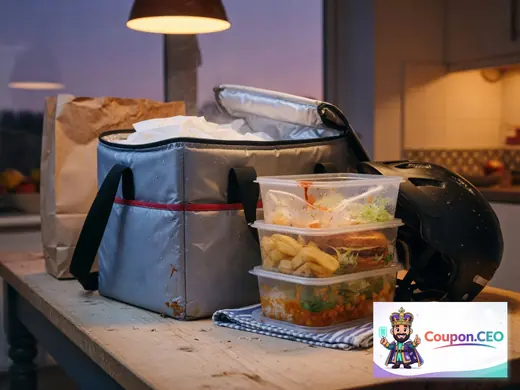
Then I discovered Didi Food in the same app. Ordering pad thai at 9:30pm without leaving the couch? Dangerous power. The $20 didn't stretch to delivery every time, but the novelty of switching tabs between "get me there" and "get food here" was handy.
Early complaints were minor: sometimes the map pin was optimistic, and the occasional driver would call instead of just showing up. Small stuff.
Month 4-8: The Reality Check
This is when the rose-tinted glasses came off.
Driver quality is a lottery. I had the lovely chatty ones, the silent ones who play the worst radio known to man, and one memorable fella who spent the entire 12-minute trip explaining his crypto portfolio in detail. (I still don't know what happened to his SHIB.)
Wait times in my area started stretching. Not "two minutes away" like the good old days - more like "eight minutes and the driver is currently in the next suburb eating a pie." Surge pricing still hits, just under a different name sometimes.
The food delivery side got mixed. Some nights the driver was clearly multi-apping and my butter chicken arrived lukewarm. Other nights it was faster than expected. You learn which restaurants in the app are actually close to you versus the ones that look good on the menu but are a 25-minute drive for the Dasher equivalent.
Pricing wise: often a touch cheaper than Uber on the base fare, but fees and the "small order" nonsense can creep in. The real win was not feeling locked into one ecosystem.
Month 9-12: The Stockholm Syndrome Phase
By now I'm a semi-regular. I have the app on my home screen next to Uber. I open both and pick whichever is cheaper or faster at that exact second. It's become background noise in my life.
Highlights from the year:
- One driver who let me choose the music and didn't judge my 2010s playlist.
- Using Didi Food on a rainy night when every other app was surging.
- Referring a mate and both of us getting little credits (they still run referral stuff from time to time).
Lowlights:
- The time the app sent a driver to the completely wrong entrance of a big apartment complex and he refused to move.
- Random "update your payment method" nags even when nothing was wrong.
- Realising some drivers are clearly new and the navigation is fighting them the whole way.
Safety-wise, the ratings and trip share features are there and I use them. The global reputation for strict data stuff in China hasn't really affected my day-to-day rides in Melbourne, but I'm not naive about it either.
What I'd Tell a New User Now
If you're signing up today chasing the $20 free with code ckzh6Nq or the Coupon CEO link, go for it - the credit makes the first few trips feel like a free trial. Just treat it as one tool in the toolbox, not your only rideshare.
- Compare live prices between Didi and Uber every time.
- Don't order food from places that are obviously too far.
- Keep cash or a backup card handy in case the app has a moment.
- Rate drivers honestly. The good ones deserve it and the average ones need the feedback.
It's not perfect. It's not dominant. But after a year it's earned its spot on my phone.
Conclusion
A year later, the $20 credit that got me in the door feels like ancient history. Didi Australia has been a mixed bag of convenient cheap rides, lukewarm pad thai, and the occasional personality-driven driver monologue. Some weeks I barely open it. Other weeks it's the only app that makes financial sense.
If you're in a covered area and want an alternative without committing your soul to one company, the sign-up bonus is still a solid reason to try. Just don't expect it to replace everything overnight.
Thinking of giving Didi a proper go? Grab the current offer through Coupon CEO and see how it treats you for the first month or two.
Claim the DiDi offer
Disclaimer: Offers, credits, driver availability, pricing, and service features are subject to change. Terms and conditions apply. Coupon CEO may earn a commission on qualifying sign-ups at no extra cost to you. Always check current promos and your local coverage in the app.
FAQ
Is Didi worth using long term in Australia after the sign-up credit?
It depends on your suburb and how often you compare it to Uber. Many people treat it as a secondary option for when prices or wait times are better on Didi.
Does Didi still run referral or ongoing credits after the first $20?
They run various promos, referrals, and targeted offers from time to time. Check the app regularly or through trusted sources like Coupon CEO for the latest.
How does Didi Food compare to Uber Eats after using both?
Similar experience with the usual delivery variables (driver multi-apping, restaurant prep time, distance). Some people prefer the combined app; others stick with whichever has better restaurant selection in their area.
Are Didi drivers generally safe and professional?
Most are fine - ratings and background checks exist. Like every rideshare, quality varies. Use the in-app safety features and common sense.
Why do some rides feel more expensive than expected?
Base fares can be competitive but service fees, small-order surcharges (on delivery), and dynamic pricing still apply. Always review the full breakdown before confirming.
Can I use Didi outside major cities?
Coverage drops off quickly in regional and rural Australia. The app will show you real-time availability - don't rely on it for everywhere.
What if I have a problem with a ride or delivery after a year?
In-app chat support is the main channel. Response times vary. Keep screenshots of bookings and issues.
Do I need to keep both Didi and Uber installed?
Most long-term users do. Opening both and picking the winner on price/time has become standard behaviour for a lot of people.
Is the app better or worse than when I first signed up?
It's had updates - some improved the map and booking flow, others added more notifications. Overall it's usable but not revolutionary compared to the big player.