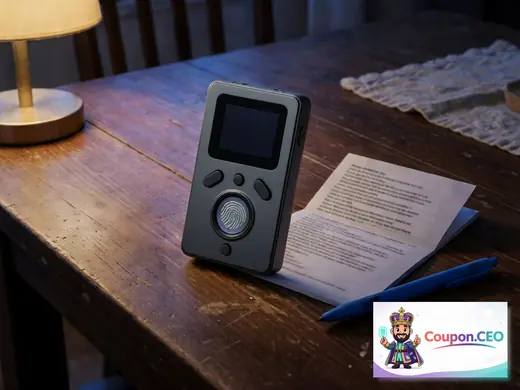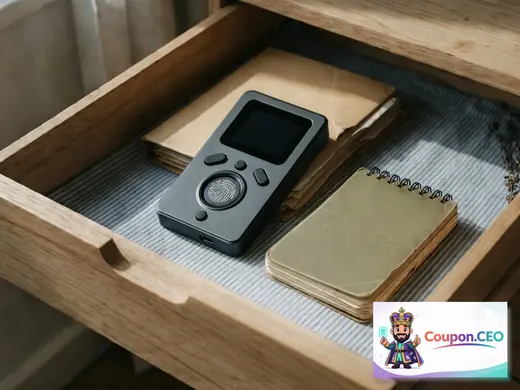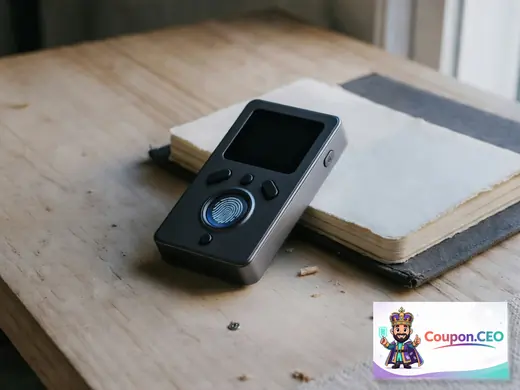

The marketing is clean. "World's first biometrically secured cryptocurrency wallet." Fingerprint convenience. Secure element. "Proven track record with zero hack incidents." Add the exclusive $10 discount via the referral link and it feels like a smart, modern way to take self-custody of your coins.
Then you spend time in crypto forums, Reddit threads, and review comments, and a different picture emerges for some users: devices that stop working after the warranty period, support directing people to buy replacements, occasional "my wallet was hacked" posts (often later revealed as seed phrase exposure or user error), and the general frustration that comes with any hardware wallet when something goes wrong.
This is the less glossy side of the D'CENT story.
The "Zero Hacks" vs Real World Risks
D'CENT and its fans correctly point out that the device itself has a strong security record - no known successful remote hacks of the hardware or firmware that drained user funds through a flaw in the wallet. That's genuinely good.
The controversies almost always trace back to the same things that affect every hardware wallet:
- Users losing or exposing their recovery seed phrase.
- Phishing or social engineering (fake support calls, malicious links).
- Accidental approval of malicious transactions.
- Physical device failure or loss without a proper backup.
When a Reddit post titled "my D'CENT was hacked" appears, digging in usually reveals one of the above rather than a magical break of the biometric or secure element. That doesn't make the loss any less painful for the person involved.
The Device Failure and Support Friction
A more specific complaint that surfaces is around devices dying or becoming unreliable after a year or so, and the response being "buy another one and restore from seed." For users who treated the biometric wallet as a set-and-forget solution, discovering that the hardware has a limited lifespan and post-warranty support is limited to "replace it yourself" can feel like a gotcha.
Warranty covers manufacturing defects for the stated period. Outside that, you're in standard self-custody territory: the coins live on the seed phrase, not the plastic. But the marketing emphasis on the fancy fingerprint sensor can create an expectation that the device itself will be rock-solid forever.
The $10 Discount and the Bigger Picture
The referral discount lowers the barrier to entry. That's useful - more people moving coins off exchanges is generally positive. It doesn't change the fundamental truth that self-custody is a responsibility, not a product you buy and forget.
Biometric convenience helps with day-to-day use. It doesn't remove the need for excellent seed phrase hygiene, test transactions, keeping firmware updated, and having a realistic plan for what happens if the device bricks in two years.
The Practical Reality
If you're buying the D'CENT (especially with the $10 off), go in with the same mindset you'd have for any hardware wallet: treat the seed phrase as irreplaceable, start with small test amounts, understand that the device is a tool not a magic vault, and be prepared to replace hardware eventually while restoring from backup.
The controversies aren't unique to D'CENT - they are the recurring themes of the entire hardware wallet category. The biometric angle is a nice quality-of-life improvement. The risks and responsibilities remain squarely on the user.
Claim the D'CENT Wallet offer - The discount is real. The self-custody part is the part that actually matters.
Disclaimer
Coupon CEO may earn a commission on qualifying referrals at no extra cost to you. D'CENT pricing, warranty, supported assets, and support policies are subject to change. Cryptocurrency self-custody carries the risk of permanent loss from user error, device failure, or compromised seed phrases. This article discusses common public debates and user reports - it is not security advice or a product endorsement.
FAQ
Has D'CENT actually been hacked?
Company claims no successful device-level hacks that compromised user funds. Most reported "hacks" turn out to be seed phrase exposure, phishing, or user-approved malicious transactions - standard risks for all self-custody setups.
What happens when the device dies?
Restore from your written seed phrase to a new device. Post-warranty, users are generally advised to purchase a replacement. This is common across hardware wallets.
Is the support bad?
Experiences vary. Some users report helpful responses for warranty issues. Others feel left to replace the device themselves once the warranty window closes. Self-custody means the ultimate responsibility is yours.
Does the $10 discount make it worth the risk?
The discount reduces the upfront cost. It doesn't reduce the need for proper seed backup and cautious use. The risks are the same as any hardware wallet.
Should I still buy one?
If you understand seed phrases, are willing to test with small amounts, and want the fingerprint convenience, many users are happy with it. If you're not ready for the responsibility, keep smaller amounts on reputable exchanges or use simpler options.
How do I avoid the common problems?
Write the seed phrase on paper (never digitally), never share it, do test transactions, keep firmware updated, and only approve transactions you fully understand.
New buyers - any warning? The referral gives the $10 discount. Claim the D'CENT Wallet offer. The biometric feature is convenient, but your coins are only as safe as your seed phrase backup and your own habits. Treat it seriously.