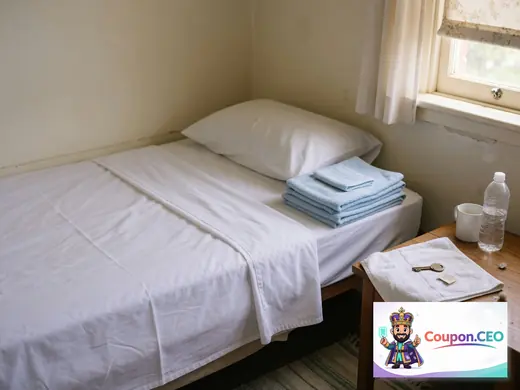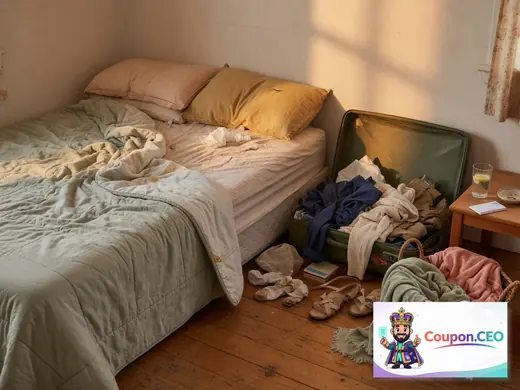

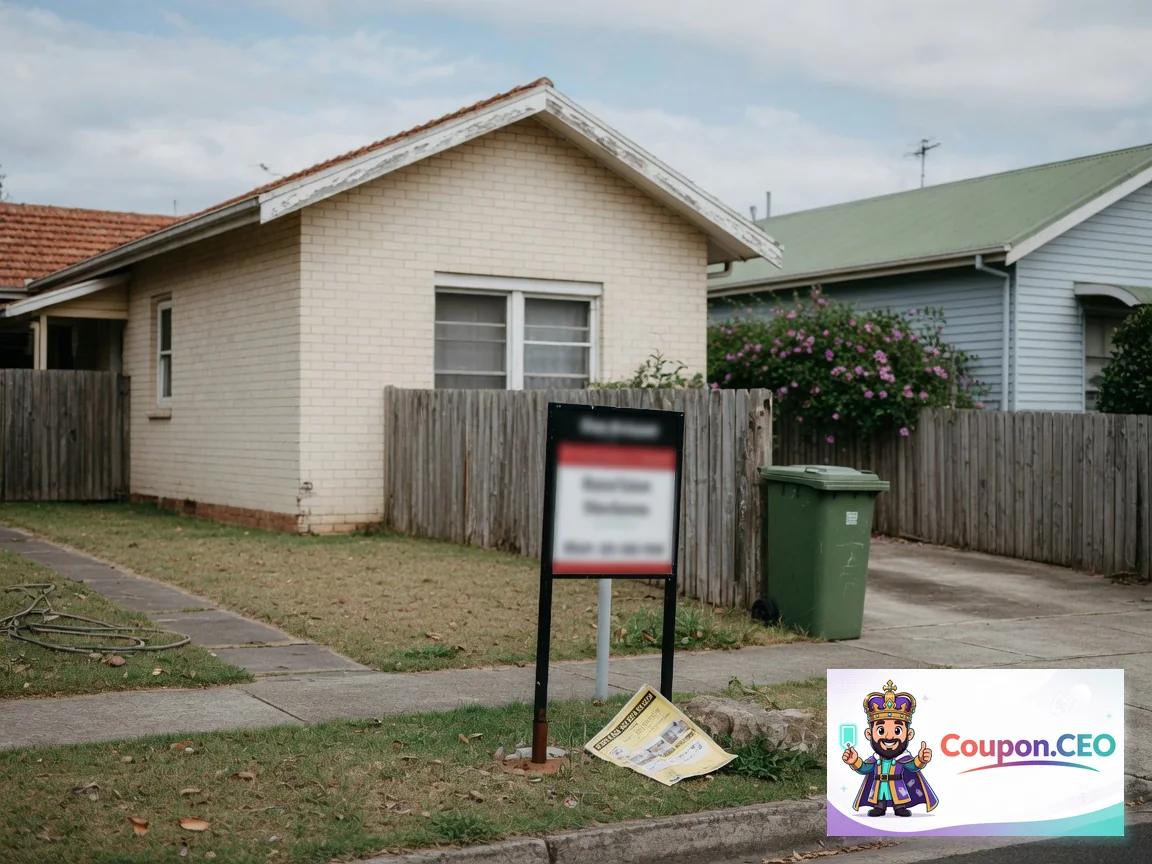
The pitch is seductive. List your spare room or investment property on Airbnb, earn extra income, and maybe even get a coupon worth up to $100 off your own first stay as a host through links like airbnb.com.au/rp/couponceo. What's not to like?
Plenty, if you ask housing advocates, local councils, and plenty of frustrated renters in Australian cities. Short-term rental platforms like Airbnb have been accused for years of worsening the housing crisis by pulling properties out of the long-term rental pool, driving up rents, and enabling disruptive "party house" behaviour in residential neighbourhoods.
This is the debate that sits behind every new host sign-up.
The Core Complaint: Homes vs Hotels
Critics argue that when investors or owners convert entire homes or apartments into full-time Airbnb listings, they reduce the supply of housing available for people who actually live in the city. In tight markets like Sydney, Melbourne, and Brisbane, where vacancy rates are low and rents have climbed sharply, every property used primarily for tourists is one less home for locals.
Airbnb and its defenders push back hard. They point to studies (including some commissioned or cited by the company) suggesting short-term rentals have only a modest impact on overall housing affordability compared with bigger drivers like zoning, construction rates, negative gearing, and population growth. They also note that many hosts are just renting out a spare room or their own home while travelling - not removing long-term stock.
The reality sits somewhere in the messy middle. In some suburbs and buildings the concentration of short-term lets is clearly noticeable. In others it's barely a factor. Data varies by city and even by postcode.
Party Houses and Neighbour Complaints
Another recurring flashpoint is the "party house" problem. Groups booking entire properties for bucks parties, schoolies, or big weekends can create noise, mess, and safety issues for permanent residents. Some councils have introduced strict registration, permit systems, or caps. Body corporates in apartment buildings have pushed back with by-laws limiting or banning short-term lets.
Airbnb has tools for hosts to set rules and for neighbours to report problems, plus a code of conduct in some markets. Whether it's enough depends on who you ask. Enforcement is patchy and the incentives (hosts want bookings, platforms want volume) don't always align with quiet residential life.
Regulations and the Pushback
Australia has taken a relatively light-touch approach nationally compared with places like New York or parts of Europe, but state and local rules are tightening in hotspots. Registration requirements, minimum stay lengths in some areas, and planning permission hurdles are becoming more common.
The platform itself lobbies against heavy restrictions, arguing that hosts (many of them regular people supplementing income) and the tourism economy suffer when rules get too strict. Renters and housing groups counter that the "regular person" narrative hides professional operators running multiple properties.
The Coupon and the Bigger Picture
The become-a-host offers (including the coupon off your first stay) are effective at bringing in new supply. That's great for travellers looking for interesting places and for hosts who genuinely have under-used space. It's more complicated when the new listings are full-time investor properties in already strained rental markets.
If you're considering signing up via a referral link because of the coupon or the extra income potential, the personal maths might still work. The broader controversy is about whether the cumulative effect of thousands of such decisions is making housing less affordable for everyone else.
Most people just want somewhere decent to live long-term and somewhere decent to stay when they travel. Airbnb sits in the tension between those two desires.
Claim the Airbnb offer - The host coupon is real for eligible users. The housing and regulation debates are bigger than any single booking.
Disclaimer
Coupon CEO may earn a commission on qualifying sign-ups or bookings at no extra cost to you. Airbnb terms, coupons, and local short-term rental laws are subject to change. This article summarises public debates and common concerns - it is not legal, financial, or housing policy advice. Always check current regulations in your area before listing.
FAQ
Does Airbnb actually make the housing crisis worse?
It's debated. Some studies and local data suggest a noticeable impact in high-tourism or low-vacancy areas. Others argue the effect is small compared with under-building and tax settings. The answer likely depends on the specific suburb or city.
What are "party houses" and why do they matter?
Entire properties booked for large, noisy groups that disrupt neighbours. They've led to complaints, by-laws, and tighter rules in some Australian cities and buildings.
Can councils or buildings ban Airbnb?
Yes in many cases. Registration, permits, minimum stay requirements, or outright bans in certain zones or strata schemes are increasingly common.
Does the host coupon encourage more problematic listings?
The offers bring in new hosts, which increases supply for guests. Whether those listings are "problematic" (full-time investor properties vs occasional spare rooms) varies case by case.
What has Airbnb done about the issues?
The company highlights registration tools, neighbour reporting features, codes of conduct, and studies showing limited housing impact. Critics say more is needed.
Should I still become a host if I have spare space?
If you're following local laws, being a responsible host, and only listing space that isn't needed for long-term renters, many people do. Just understand the broader conversation you're stepping into.
Is regulation getting stricter in Australia?
In many popular areas, yes. Check your local council and building rules before listing anything.
New hosts - any advice? The coupon via airbnb.com.au/rp/couponceo (or current link) can be a nice perk. Claim the Airbnb offer. Research your local short-term rental rules thoroughly first - they can override platform features.